Key takeaways
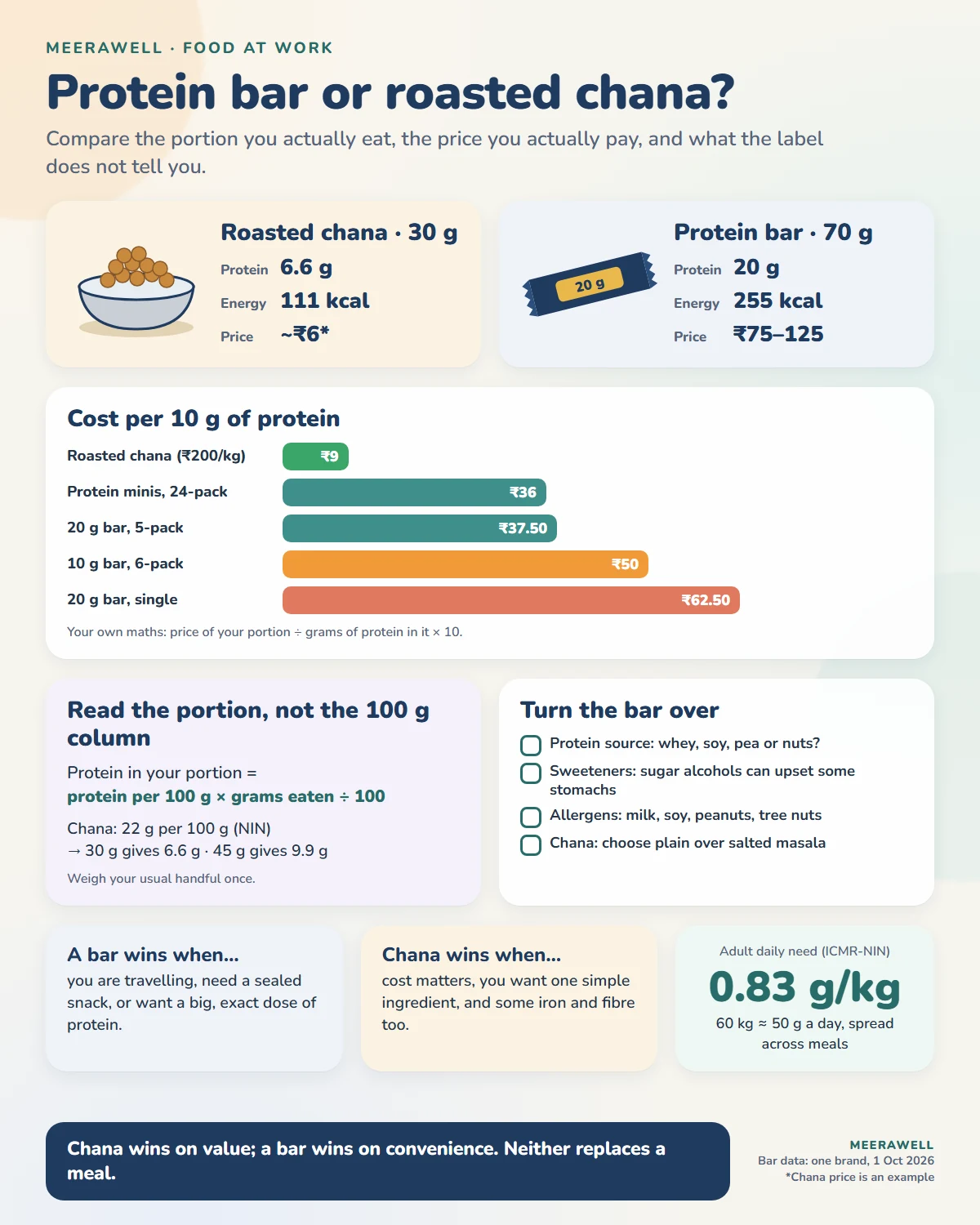
- For protein bar vs roasted chana, compare by the portion you actually eat, not by the “per 100 g” column. 30 g of roasted chana gives about 6.6 g of protein; a 70 g protein bar can give 20 g.
- On cost, roasted chana wins clearly. In our worked example, it costs about ₹9 per 10 g of protein; branded bars cost roughly ₹36–62.
- A bar wins on convenience, a precise label and a bigger single dose of protein. Chana wins on price, a one-ingredient label and iron.
- Neither is a meal. Most adults need roughly 0.8 g of protein per kg of body weight a day, so spread it across meals; a snack is one part of the day.
The 4 PM Drawer
It is four o’clock. The post-lunch slump has arrived on schedule.
In your desk drawer: a shiny protein bar that cost ₹75, and a small steel dabba of roasted chana from home.
The bar says 20 g PROTEIN in large letters. The chana says nothing at all.
So the bar is the better choice? Not necessarily.
Here is the short answer to protein bar vs roasted chana: if you want the most protein in one piece and the convenience of a sealed wrapper, a high-protein bar delivers. If you want good value and a simple ingredient list, roasted chana is hard to beat, as long as you eat a real portion. The fair comparison is portion against portion, rupee against rupee.
1. Compare the Portion You Actually Eat
Nutrition tables usually list values per 100 g. Nobody eats 100 g of a protein bar, and few people eat 100 g of chana at their desk.
Here is the formula that turns a label into your snack:
Protein in your portion = (protein per 100 g × grams you eat) ÷ 100
For roasted Bengal gram, the National Institute of Nutrition’s food table lists 22 g of protein, 369 kcal and 9 mg of iron per 100 g.
So a 30 g portion gives about 6.6 g of protein and 111 kcal. A 45 g portion gives about 9.9 g of protein and 166 kcal.
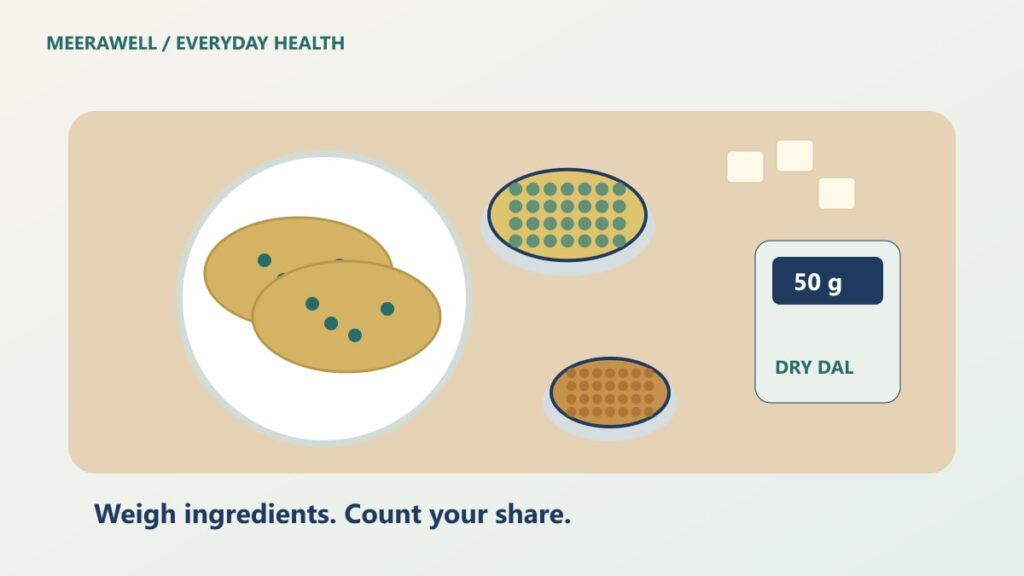
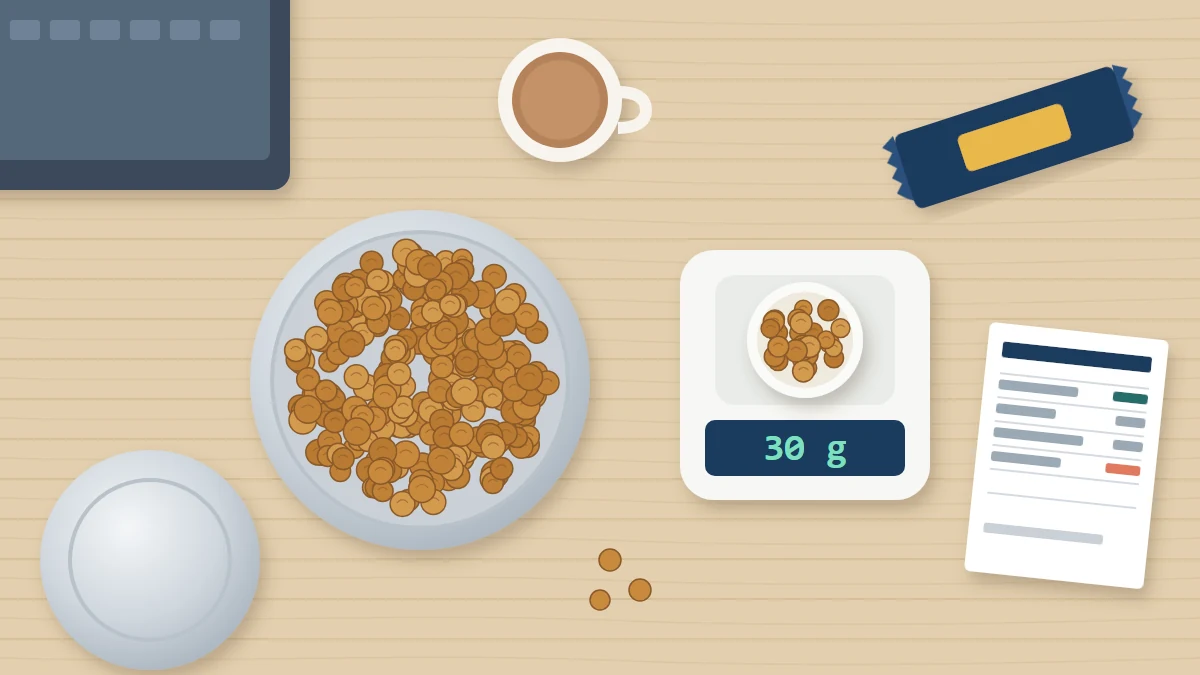
How much is 30 g? It depends on your hand and your dabba. Weigh your usual portion once on a kitchen scale, and you will know it from then on.
2. Protein Bar vs Roasted Chana: The Numbers, Side by Side
To keep this fair, we used one brand’s current range for the bars and one transparent example price for chana. Yogabar’s official store listed these products on 1 October 2026. Prices change, and other brands differ.
| Snack (portion) | Protein · energy | Price per portion | Cost per 10 g protein |
|---|---|---|---|
| Roasted chana, 30 g | 6.6 g · 111 kcal | ₹6 (at ₹200/kg) | ~₹9 |
| Roasted chana, 45 g | 9.9 g · 166 kcal | ₹9 (at ₹200/kg) | ~₹9 |
| Yogabar Power Up bar, 70 g | 20 g · 255 kcal | ₹75 in a 5-pack; ₹125 single | ~₹37.50; ~₹62.50 single |
| Yogabar 10 g protein bar, 50 g | 10 g · see label | ~₹50 in a 6-pack | ~₹50 |
| Yogabar Protein Minis, 20 g | 4 g · see label | ~₹14.50 in a 24-pack | ~₹36 |
Plug in your own price. Cost per 10 g of protein = price of your portion ÷ grams of protein in it × 10. If your local chana costs ₹160 or ₹260 a kilo, the number changes, but the gap stays wide.
Two more things stand out:
- Per 10 g of protein, the 20 g bar carries fewer calories (about 128 kcal) than chana (about 168 kcal). The bar uses concentrated protein ingredients; chana brings starch along with its protein.
- The single-bar price is far higher than the multipack price. The impulse purchase at the counter is the expensive one.
3. What the Numbers Don’t Show
A table compares quantities. It cannot taste, chew or read the small print.
The Ingredient List
Roasted chana has one ingredient, sometimes two if salted.
A protein bar might list a dozen: protein concentrates or isolates (often whey, soy or pea), nuts or nut butter, sweeteners, binders and a chocolate coating. That is not automatically bad. It does mean you should read it.
Turn the bar over and check:
- The protein source, particularly if you avoid dairy or soy.
- Sweeteners. “No added sugar” bars may use sugar alcohols such as maltitol, which can upset some people’s stomachs in larger amounts.
- Allergens. Many bars contain nuts, milk or soy, or are made where they are handled.
Seasoned Chana
Masala and salted chana add sodium. If you are watching salt, choose plain roasted chana and add your own lime or chaat masala lightly.
Storage at Your Desk
Chocolate-coated bars soften in a hot bag or car. Chana goes stale and soft in humid weather unless it is in an airtight dabba. Neither problem is serious, but both decide whether the snack is still appealing at 4 PM.
4. Where Each One Wins
The protein bar wins when:
- you are travelling or between meetings and need something sealed and portable
- you want a large, precise dose of protein in one item
- you are tracking your intake and want an exact label
Roasted chana wins when:
- cost matters; it is several times cheaper per gram of protein
- you prefer a simple, minimally processed food
- you want some iron and fibre alongside the protein
Both lose when you eat them on autopilot. Three “healthy” bars a day, or a whole packet of chana in front of a screen, quietly adds a lot of energy.
5. How Much Protein Do You Actually Need?
ICMR-NIN’s recommended dietary allowance for healthy adults is about 0.83 g of protein per kg of body weight per day.
| Body weight | Approximate daily protein |
|---|---|
| 55 kg | ~46 g |
| 60 kg | ~50 g |
| 70 kg | ~58 g |
| 80 kg | ~66 g |
A snack providing 7–10 g is a useful contribution, but it is a fraction of the day. Dal, curd, paneer, eggs, sprouts, milk and the cereal in your roti or rice all count towards that total.
ICMR-NIN’s Dietary Guidelines for Indians advise getting good-quality protein from food combinations, such as cereals with pulses, and avoiding protein supplements to build muscle mass. They state plainly that “protein powders are unnecessary for normal healthy life”. A bar is food, not a powder, but the same principle applies: it should fill a gap, not replace meals.
If you want help planning the rest of your day’s meals, our guide to AI meal planning for busy professionals shows how to structure a week.
6. Make the Desk Snack Work Harder
A few easy upgrades:
- Chana plus chaas or curd: adds dairy protein and makes the snack more filling.
- Chana plus a fruit: adds volume and fibre for little cost.
- Chana and peanuts, half and half: more protein and fat per handful, so keep the portion modest.
- Keep the bar for the days it suits: travel, long meetings and missed lunches.
Weigh a portion once. Pack it in a small dabba, not the whole bag.
The Verdict on Protein Bar vs Roasted Chana
For everyday office snacking, roasted chana is the better value and the simpler food. For days when you need a sealed, portable, high-protein option, a well-chosen protein bar earns its place. Read the label, check the multipack price, and treat both as snacks, not as the main source of your day’s protein.
Check with your doctor first if
- you have kidney disease or have been advised to limit protein
- you have diabetes and are tracking carbohydrates; chana and many bars both contain significant carbohydrate
- you have a milk, soy, peanut or tree-nut allergy (read every bar label, every time)
- sugar alcohols or large amounts of legumes regularly upset your stomach
Frequently asked questions
How much protein is in 30 g of roasted chana?
About 6.6 g, based on NIN’s value of 22 g of protein per 100 g of roasted Bengal gram. The same portion has roughly 111 kcal.
Is a protein bar healthier than roasted chana?
Not automatically. A bar can provide more protein in one piece and fewer calories per gram of protein, but it usually has a longer ingredient list and costs much more. Chana is simpler and cheaper. The better choice depends on your goal, your label check and your budget.
Can I eat roasted chana every day?
For most healthy adults, a measured daily portion of plain roasted chana is a reasonable snack. Keep salted varieties in check, and speak to your doctor if you have kidney disease or a condition that limits protein.
Is a 20 g protein bar better than a 10 g one?
Only if you need that much at once. A 20 g bar suits a missed meal or a post-workout gap. For a mid-afternoon snack, a smaller portion is often enough, at a lower cost.
Next step
Want to plan protein across the whole day rather than one snack? See how to structure a week of meals with an AI assistant.
Sources and evidence
Sources checked on 1 October 2026. Product prices and labels change; check the pack you buy. The chana price is an example, not a market survey. This article is not personalised nutrition advice.